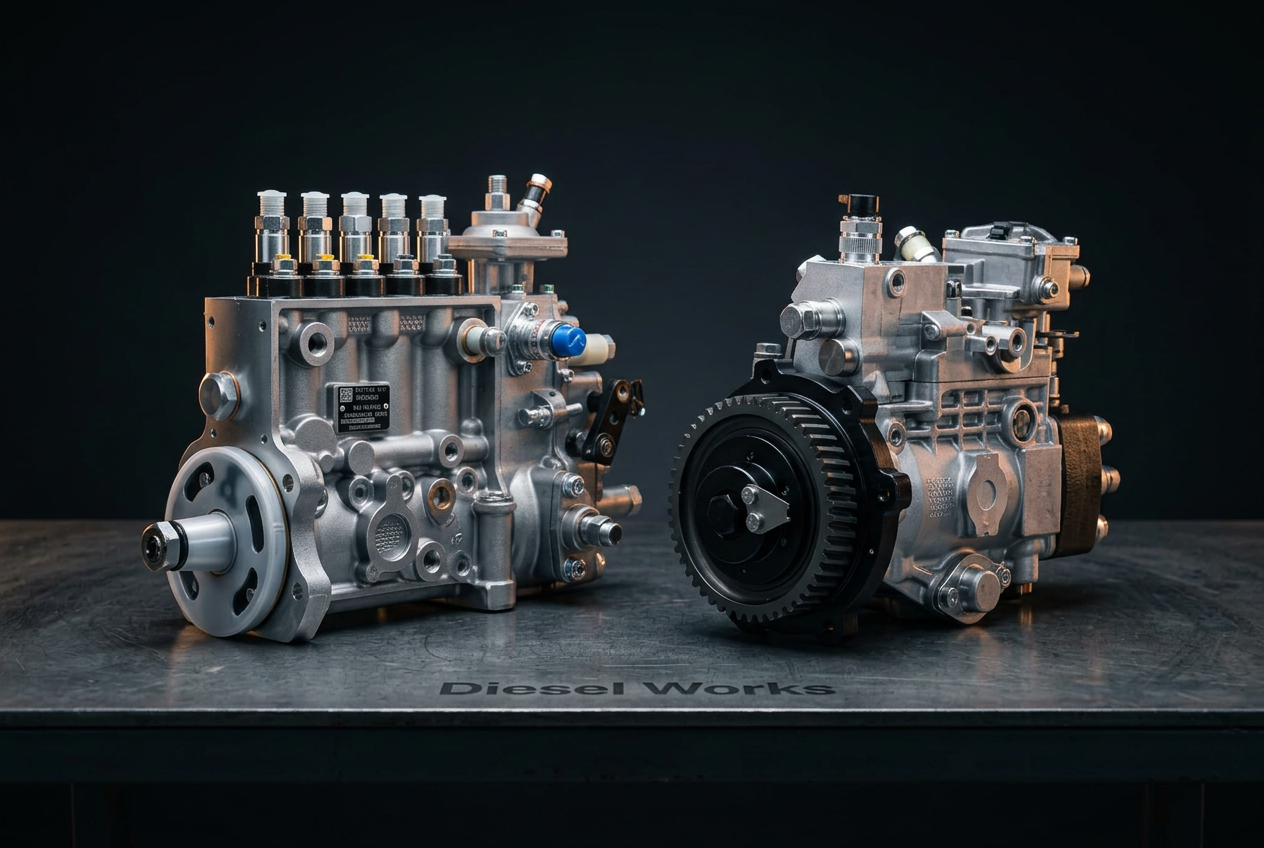
The injection pump is the heart of the fuel system. It defines how much fuel goes in, when, and at what pressure. When it drifts out of calibration, the engine doesn't fail overnight: it loses power, burns more fuel and starts failing intermittently.
The question we hear most in the workshop is simple: how often should it be calibrated?
The general rule
There is no single number, because it depends on the pump type, how the equipment is used and fuel quality. As a working reference:
- Inline mechanical pumps: inspection every 80,000 to 120,000 km, or every 1,500 to 2,000 hours on machinery.
- Rotary pumps (VE, DPA and similar): inspection every 60,000 to 100,000 km.
- Common Rail systems: the high-pressure pump isn't "calibrated" like a mechanical one, but pressure and flow should be verified every 100,000 km or at the first rail-pressure fault code.
With variable fuel quality, dust or continuous work under load, those intervals get shorter.
Signs it already needs calibration
Don't wait for the mileage if any of these show up:
- progressive power loss, especially under load;
- constant black or white smoke;
- higher fuel consumption with no change in route or load;
- hard cold starting;
- rough idle or an engine that stalls on its own;
- fuel dripping or leaking at the pump;
- a new metallic noise that rises with engine speed.
What gets checked on a test bench
Serious calibration isn't done by ear. On the bench you measure and adjust:
- flow per element, so every cylinder gets the same delivery;
- injection timing and advance, which sets the exact delivery moment;
- opening and return pressure;
- governor behavior at idle and at maximum speed;
- sealing, to rule out internal leakage.
The result should come as a report with measured values against the manufacturer's specification. That document is what lets you compare before and after.
How to extend pump life
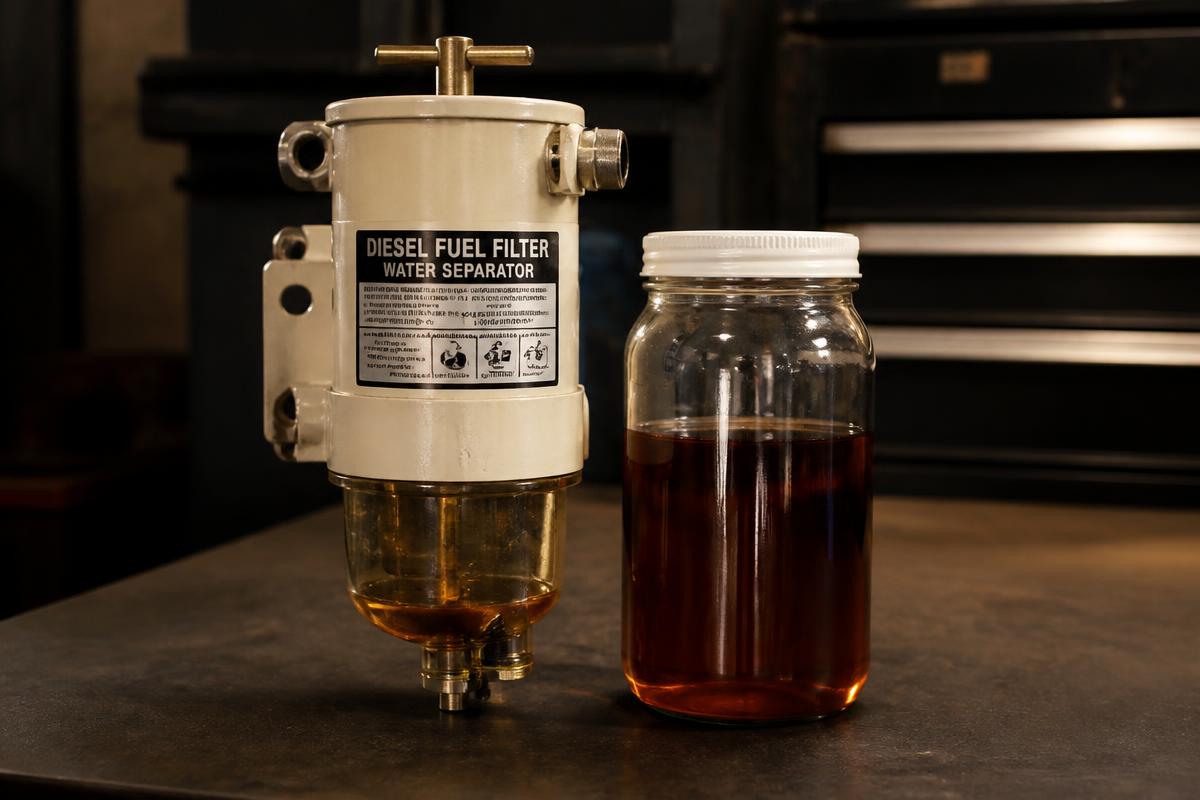
- Change fuel filters at the specified interval, no exceptions.
- Drain the water separator frequently.
- Avoid fuel of doubtful origin or stored in open drums.
- Never fix symptoms by raising delivery: it masks the fault and speeds up wear.
- Log every intervention with date, mileage and measured values.
Traceability: the part almost nobody keeps
The costliest mistake isn't calibrating late: it's not knowing when the last one was. If each unit's history lives in a notebook, the workshop loses the reference and the customer loses trust.
With Diesel Works Software every pump, calibration and part is tied to the vehicle or equipment, with searchable history and a PDF report for the customer.
Need parts or a pump ready to install
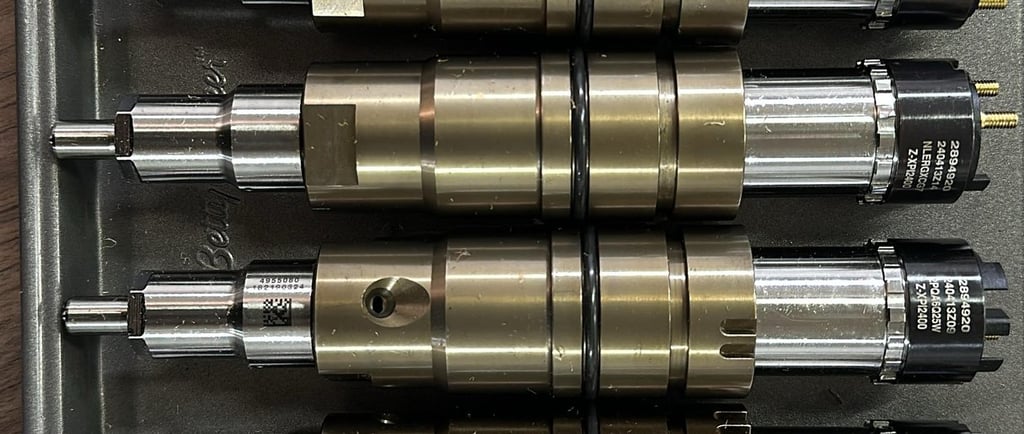
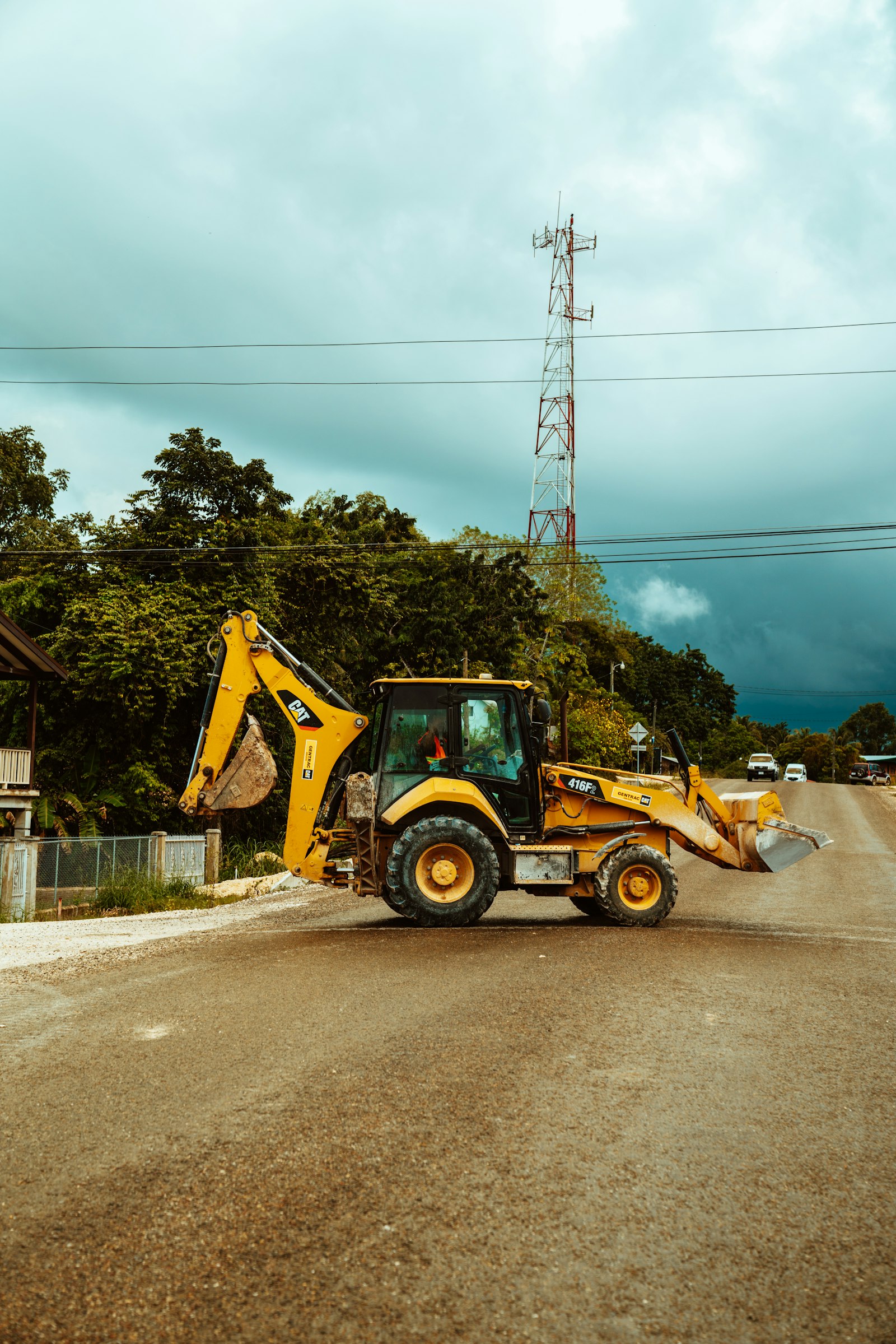
At Diesel Works we handle injection pumps, elements, actuators and components for brands such as Cummins, Doosan Daewoo, Weichai, Caterpillar and more, with direct importing for hard-to-find references.
A calibrated pump isn't a maintenance expense: it's the difference between an engine that performs and one that breaks down on site.